
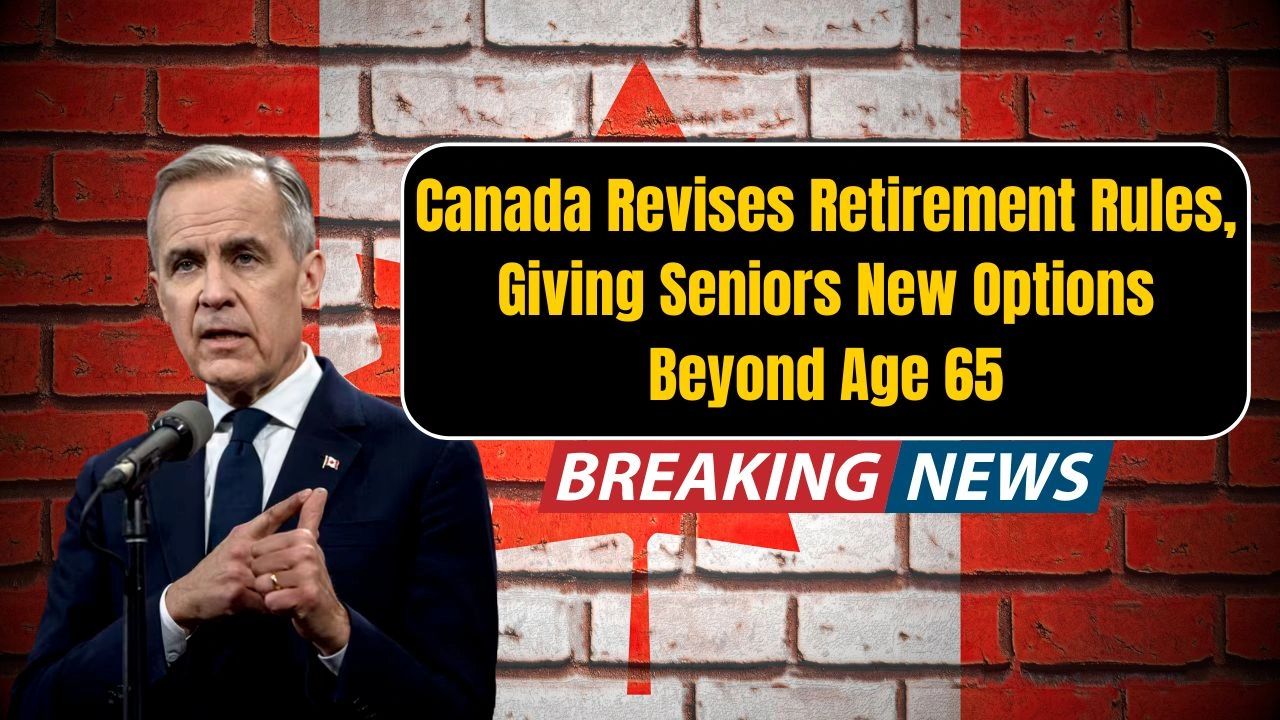
Canada has introduced important updates to its retirement framework, offering seniors greater flexibility instead of automatically leaving the workforce at age 65. Under the revised rules, older Canadians now have two new alternatives that allow them to either continue working longer or transition gradually into retirement while maintaining income stability.
The changes affect how seniors interact with public pension programs such as the Canada Pension Plan and Old Age Security, reflecting modern workforce realities and longer life expectancy.
Why Canada Updated Its Retirement Rules
For decades, age 65 was widely viewed as the standard retirement milestone. However, rising life expectancy, labor shortages, and changing financial needs have prompted the government to rethink this approach.
Key reasons behind the reform include:
- Longer, healthier working lives
- Increased cost of living and inflation
- Labor shortages in key sectors
- Desire for flexible retirement planning
The updated rules recognize that retirement is no longer one-size-fits-all.
The Two New Retirement Alternatives for Seniors
Instead of fully retiring at 65, seniors are now encouraged to consider two flexible pathways designed to balance work, income, and personal choice.
1. Continuing to Work While Receiving Partial Benefits
Seniors can remain employed beyond 65 while collecting certain pension benefits. This allows individuals to supplement employment income with public pensions, easing the transition into full retirement.
2. Delaying Full Retirement for Higher Future Payments
Seniors who choose to delay retirement may receive higher monthly pension payments later, rewarding those who continue contributing or postpone benefit claims.
These alternatives empower seniors to tailor retirement timing to their financial and personal needs.
Retirement Options at a Glance
| Retirement Path | Description | Key Benefit |
|---|---|---|
| Traditional Retirement | Stop working at 65 | Immediate full benefits |
| Partial Retirement | Work while receiving benefits | Income flexibility |
| Delayed Retirement | Retire later than 65 | Higher monthly payouts |
This structure highlights how seniors can now choose the path that best fits their situation.
How These Changes Affect CPP and OAS Benefits
Under the updated rules:
- CPP benefits can increase if retirement is delayed
- OAS payments may rise for those who defer claims
- Continued work may increase contribution records
- Seniors gain better control over income timing
These adjustments are designed to reward flexibility and extended workforce participation.
Who Benefits Most From the New Retirement Options
The revised retirement rules are particularly beneficial for:
- Seniors who enjoy working longer
- Individuals without large private pensions
- Those seeking to boost retirement income
- Workers in flexible or part-time roles
Rather than forcing retirement at a fixed age, Canada now supports choice and autonomy.
When the Updated Retirement Rules Apply
The revised retirement approach is already being phased into Canada’s pension and employment framework. Seniors approaching age 65 are encouraged to review their options early and plan accordingly.
Exact outcomes depend on individual contribution history, income, and retirement timing.
What Seniors Should Do Before Turning 65
To make the most of the new rules, seniors should:
- Review CPP and OAS eligibility timelines
- Evaluate financial needs and health considerations
- Consider part-time or phased retirement options
- Consult financial or retirement advisors
Proactive planning helps maximize lifetime retirement income.
Broader Impact on Canada’s Workforce
By allowing seniors to stay employed longer if they choose, Canada:
- Retains experienced workers
- Reduces pressure on labor shortages
- Encourages active aging
- Strengthens economic participation
The changes benefit both individuals and the broader economy.
Conclusion
Canada’s revised retirement rules mark a significant shift away from mandatory retirement at age 65. By offering two flexible alternatives, seniors can now choose whether to continue working, transition gradually, or delay retirement for higher future payments. These updates reflect modern realities and provide Canadians with greater control over their retirement journey.
FAQs: Canada’s New Retirement Options
1. Are seniors required to work past age 65 under the new rules?
No. Retirement at 65 remains an option. The new rules simply provide additional flexibility.
2. Will delaying retirement increase pension payments?
Yes. Seniors who delay retirement may qualify for higher monthly CPP and OAS payments.
3. Can seniors work and collect pension benefits at the same time?
Yes. Under certain conditions, seniors can receive benefits while continuing to work.