
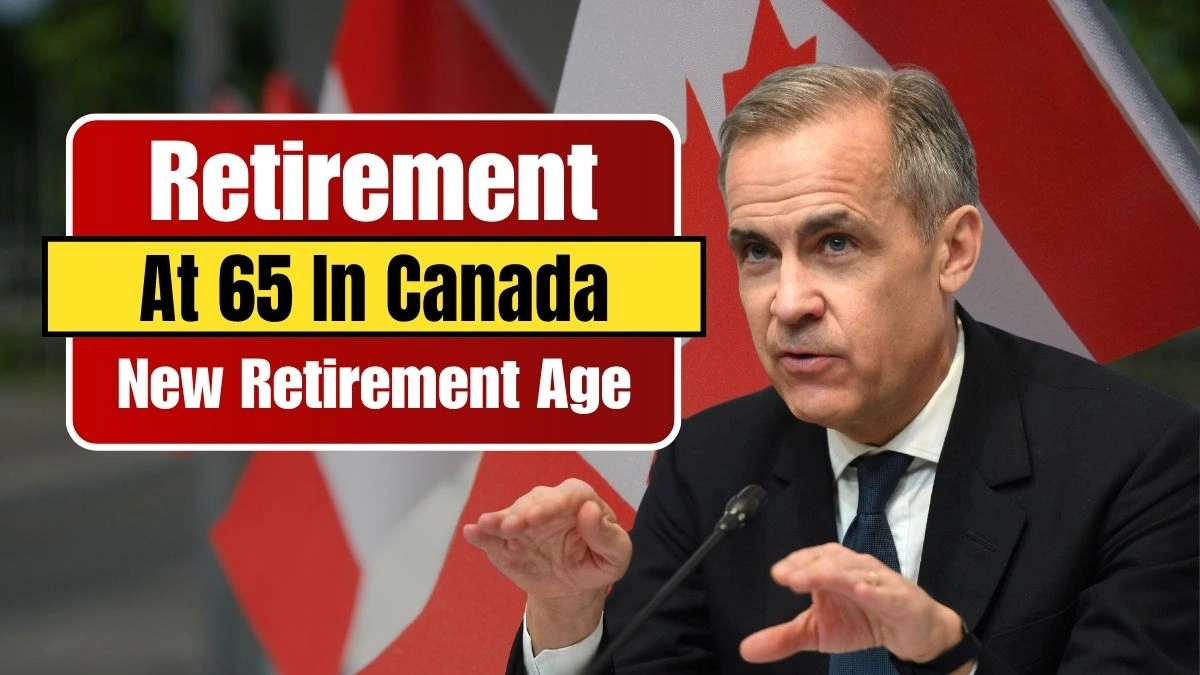
Canada is moving away from the long-standing retirement benchmark of age 65. Starting in 2026, the country’s retirement framework will shift to reflect longer life expectancy, improved health, and changing work preferences among older Canadians.
This transition means many future retirees will need to rethink when—and how—they plan to stop working.
Canada’s Retirement Age Is Gradually Increasing
The traditional retirement age of 65 is being phased out. Beginning January 1, 2026, the full retirement age will gradually rise to 67 for Canadians born after 1962.
While this change affects future retirees, Canadians will still have flexibility in deciding when to retire:
- Early retirement remains available at age 62, though monthly pension payments will be reduced.
- Delaying retirement beyond the minimum age can lead to higher monthly benefits.
- There is no mandatory retirement age, allowing seniors to work as long as they choose.
Current retirees will not be affected by these changes.
Why Canada Is Saying Goodbye to Retirement at 65
The government has updated retirement rules to align with modern realities. Canadians are living longer, healthier lives and many prefer to remain active in the workforce.
Key goals behind the reform include:
- Supporting longer life expectancy
- Encouraging financial stability in retirement
- Giving seniors greater choice and flexibility
- Strengthening the sustainability of pension programs
By removing mandatory retirement, older Canadians can now balance work, savings, and retirement timing based on personal needs.
CRA Retirement Age Increase in 2026: Key Details
| Category | Details |
|---|---|
| About | Goodbye to Retirement at 65 in Canada |
| Country | Canada |
| Retirement Age Change | Increasing from 65 to 67 |
| Effective Date | January 1, 2026 |
| Eligibility | Applies to those born after 1962 |
| Managing Authority | Canada Revenue Agency |
| Category | Canada Finance |
| Official Website | www.canada.ca |
CRA Retirement Benefit Amounts for 2026
Here are the maximum federal benefit amounts expected in 2026:
- Old Age Security (OAS)
- Ages 65–74: $742.31/month
- Ages 75+: $816.54/month (0.3% increase)
- Canada Pension Plan (CPP)
- Maximum: $1,433/month (2% increase)
- Guaranteed Income Supplement (GIS)
- Single seniors: $1,105.43/month
- Canada Workers Benefit (CWB)
- Singles: $1,590/year
- Families: $2,739/year
- GST Credit
- Single adults: $533
- Couples: $698
- Per child under 19: $184
CRA Payment Schedule for 2026
| Benefit | Payment Date |
|---|---|
| OAS & CPP | January 28, 2026 |
| Canada Workers Benefit | January 12, 2026 |
| GST Credit | January 5, 2026 |
| Canada Child Benefit | January 20, 2026 |
How to Claim CRA Retirement Benefits in 2026
Follow these steps to apply for Canadian retirement benefits:
- Confirm Eligibility
Verify you meet age and contribution requirements for CPP, OAS, or GIS. - Prepare Required Documents
Gather your Social Insurance Number, income records, and valid identification. - Submit Your Application
Apply online through Service Canada or send a completed application by mail. - Provide Additional Details if Requested
Some cases may require extra documents or an interview. - Wait for Approval
Processing times vary depending on the benefit type. - Receive Your Payments
Approved benefits are paid via direct deposit or cheque.
Note: Certain programs, such as disability-related benefits, have additional eligibility rules and separate application procedures.
Canada’s decision to move beyond retirement at 65 marks a major shift in how aging and work are viewed. With the full retirement age gradually increasing to 67 in 2026, Canadians gain more flexibility—but also greater responsibility—to plan wisely.
Whether choosing early retirement with reduced benefits or working longer for higher payouts, understanding these changes is essential for securing long-term financial stability in retirement.
FAQs
Can Canadians still retire at 65 after 2026?
Yes. Retirement at 65 is still possible, but full benefits may only be available at a later age depending on birth year.
Who is affected by the retirement age increase to 67?
The change applies to Canadians born after 1962. Current retirees are not impacted.
Is retirement mandatory in Canada?
No. Mandatory retirement has been abolished, allowing seniors to work as long as they wish.